

Calathea Lancifolia 《箭羽竹芋》
H08
Calathea Lancifolia 《箭羽竹芋》
 What is: Calathea Lancifolia 《箭羽竹芋》
 What is: Calathea Lancifolia 《箭羽竹芋》
🌿 Why You’ll Love Calathea lancifolia:
-
Striking spotted pattern and wavy leaves
-
Purple undersides for bold two-tone contrast
-
Non-toxic to pets and children
-
Excellent air-purifier and mood-lifter
-
Compact and great for small spaces
🌿 Calathea lancifolia (Rattlesnake Plant) – Care Tips
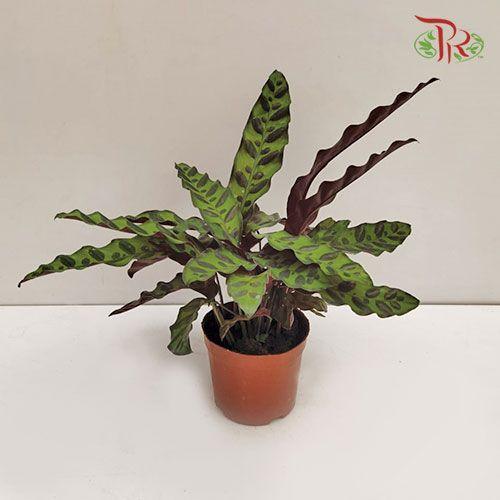
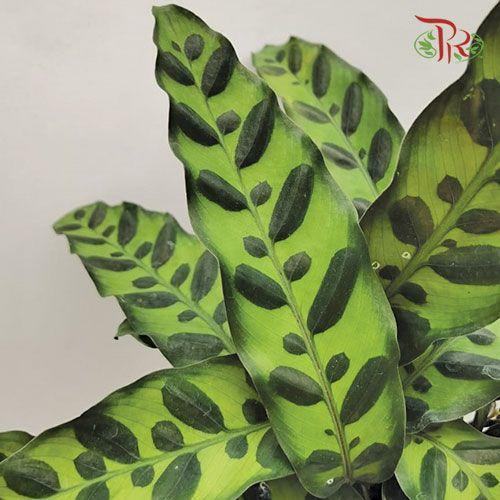
Calathea lancifolia, commonly called the Rattlesnake Plant, is beloved for its long, wavy-edged leaves patterned with dark green spots over a lighter green base and stunning purple undersides. It’s a lively, pet-safe houseplant that adds a touch of the tropics to your space.
☀️ Light
-
Prefers bright, indirect light
-
Can tolerate medium to low light
-
Avoid harsh direct sun, which can fade colors or burn leaves
💧 Watering
-
Keep soil consistently moist, not soggy
-
Water when the top 2–3 cm (1 inch) feels dry
-
Use filtered or rainwater—Calatheas are sensitive to fluoride and chlorine
🌡️ Humidity & Temperature
-
Loves high humidity (50–70% or more)
-
Mist regularly or use a humidifier
-
Ideal temperature: 18–26°C (65–78°F)
-
Keep away from cold drafts and dry air
🌱 Soil & Potting
-
Use a light, well-draining mix (peat/coco coir + perlite)
-
Ensure pot has good drainage
-
Repot every 1–2 years or when rootbound
🍃 Fertilizer
-
Feed monthly during growing season (spring–summer)
-
Use a balanced, diluted houseplant fertilizer
-
No need to fertilize in winter
✂️ Maintenance
-
Remove yellow or dry leaves as needed
-
Gently clean leaves with a damp cloth
-
Propagate via division during repotting
✅ Pet-Friendly
-
Calathea lancifolia is non-toxic to cats and dogs 🐾
Calathea lancifolia is perfect for plant lovers who want something vibrant, dynamic, and full of personality—a cheerful companion for any indoor jungle.
 Organizer's Terms & Conditions
 Organizer's Terms & Conditions
 Care Guide: Calathea Lancifolia 《箭羽竹芋》
 Care Guide: Calathea Lancifolia 《箭羽竹芋》
Fresh Flower Preparation & Handlings
To ensure your fresh blooms from Pudu Ria Southern stay vibrant for as long as possible, follow this simplified 5-step preparation guide.
1. Unpack & Trim
Carefully remove all packaging. Use sharp floral shears to trim one inch off the stems at a 45-degree angle. This maximizes the surface area for water absorption.
2. Clean the Stems
Strip away any leaves or foliage that would sit below the water line. Submerged leaves rot quickly, creating bacteria that will shorten the life of your flowers.
3. Prepare the Vase
Select a clean vase and fill it with fresh, lukewarm water. If you have floral preservative (flower food), mix it in now to provide essential nutrients and keep the water clear.
4. Arrange with Care
Place heavier blooms toward the center and lighter ones on the outside. Avoid overcrowding; ensuring good air circulation between the stems helps prevent mold and keeps the flowers healthy.
5. Maintain the Environment
- Placement: Keep the arrangement away from direct sunlight, heat sources (like electronics), and cold drafts.
- Routine: Change the water every two days, give the stems a fresh trim, and ensure no leaves are touching the water.
Read more about fresh flower care FAQs here.
Plant Preparation & Handlings
To ensure your new plants thrive in their new environment, follow these essential care steps:
1. Right Placement & Light
Understand your plant's light needs. Whether it's bright indirect light, direct sunlight, or low light, placing your plant in the correct spot is the first step to healthy growth.
2. Proper Potting & Soil
Ensure your plant is in a pot with drainage holes to prevent water buildup. Use a well-draining potting mix tailored to your specific plant type to provide the right nutrients and aeration.
3. Smart Watering
Water thoroughly, but always allow the top layer of soil to dry before watering again. Overwatering is the most common cause of plant stress, so adjust your schedule based on the season and your home’s humidity.
4. Humidity & Air
Tropical plants love moisture. Increase humidity by misting leaves or using a humidity tray, especially in air-conditioned spaces where the air can become dry.
5. Ongoing Maintenance
- Pruning: Regularly trim dead or yellowing leaves to encourage new growth.
- Fertilizing: Feed your plants with a balanced fertilizer during their growing season.
- Pest Control: Keep an eye out for pests like aphids or mealybugs and treat them promptly.
6. Observation
Every plant is unique. Watch for signs of stress, such as wilting or discoloration, and give your plant time to acclimate to its new home.
Read more about plant care FAQs here.
 Delivery & Freshness Guarantee
 Delivery & Freshness Guarantee
We strive to process and ship all orders in a timely manner, working diligently to ensure that your items are on their way to you as soon as possible. Read our shipping policy for more information.
We are committed to ensuring a positive shopping experience for all our customers. If for any reason you wish to return an item, we invite you to reach out to our team for assistance, and we will evaluate every return request with care and consideration. Read carefully about our return policy before sending a return request.
 Product Image Disclaimer
 Product Image Disclaimer
Please note that flowers and plants are products of nature. While we strive to ensure every order closely resembles the photos on our website, variations in color shade, bloom size, foliage density, and height will occur due to seasonal availability and the natural uniqueness of every living thing.
In the event that a specific flower, plant, or vessel is unavailable, our expert team will substitute it with a variety of equal or greater value, strictly maintaining the overall style, aesthetic, and color palette of your selection.
 Workshop & Classes Terms & Conditions
 Workshop & Classes Terms & Conditions
Important Information: Before placing your order, please carefully review the Organizer's and Pudu Ria Florist's workshop terms of services. These policies cover our cancellation and material sourcing guidelines to help us provide the highest quality experience for every student.